Dickinson State students present original research at Northern Great Plains History Conference
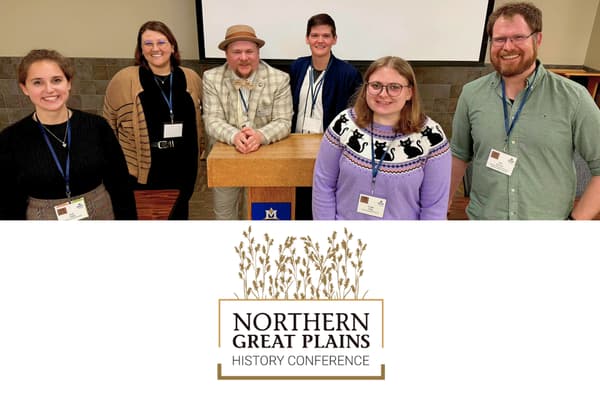
Dickinson State students present original research at regional history conference
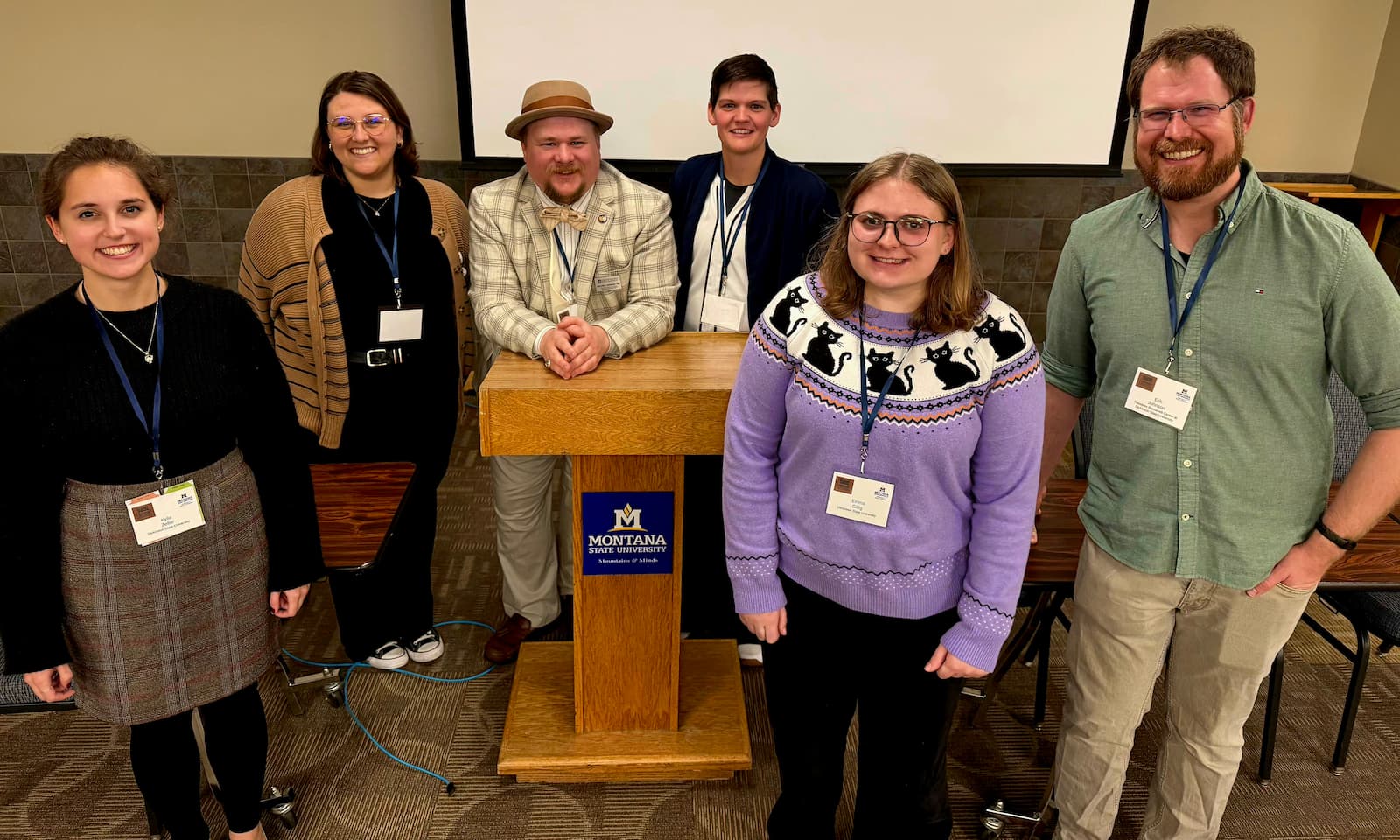
Three Dickinson State University students presented original research at the Northern Great Plains History Conference, held Oct. 28–31, 2026, in Bozeman, Montana.
With guidance from Assistant Professors Stefanie Aulner and Dr. William Hansard, Emma Gillig, Kylie Zeller, and Grant Kees presented their projects on women’s suffrage, fashion history, and public history. Gillig and Zeller presented in person, and Grant Kees joined the conference virtually.
Presenting at an academic conference gives undergraduate students a chance to discuss their work with scholars and fellow students, receive feedback, and make professional connections. For DSU students, the experience helped build their presentation skills, encouraging further study and supporting their future careers.
Emma Gillig’s presentation, titled “The Silent Sentinels,” focused on the American suffragists led by Alice Paul in the early 20th century. Using primary and secondary sources, Gillig examined how the activists were treated during events such as the “Night of Terror,” and how news coverage of their abuse helped build support for women’s suffrage. She plans to use the research to develop a secondary education unit plan for her future career as a high school history teacher.
Kylie Zeller traced the influence of 19th-century clothing designer Charles Frederick Worth in her presentation, “Worth It: The Impact of Charles Worth on Fashion.” Her work explores how Worth helped turn dressmaking into a modern industry and discusses developments associated with his work, including standardized sizing, ready-to-wear clothing, sewing patterns, bustles, princess seams, and adjustable hems. Zeller’s final project will be a historical recreation of a period bustle. The bustle will be on display at the end of the semester in the Theodore Roosevelt Center Exhibit Gallery.
Grant Kees presented “Theodore Roosevelt’s Explorations.” His work is a public history project that turns Roosevelt’s 1909–1910 African expedition into a board game. The game lets students and educators explore Theodore Roosevelt's travels during his African expedition. Grant drew on multiple primary sources housed in the Theodore Roosevelt Center's archives to create a game that challenges players with obstacles drawn from the real-life expedition, including illness, wildlife, difficult terrain, and interactions with local populations.
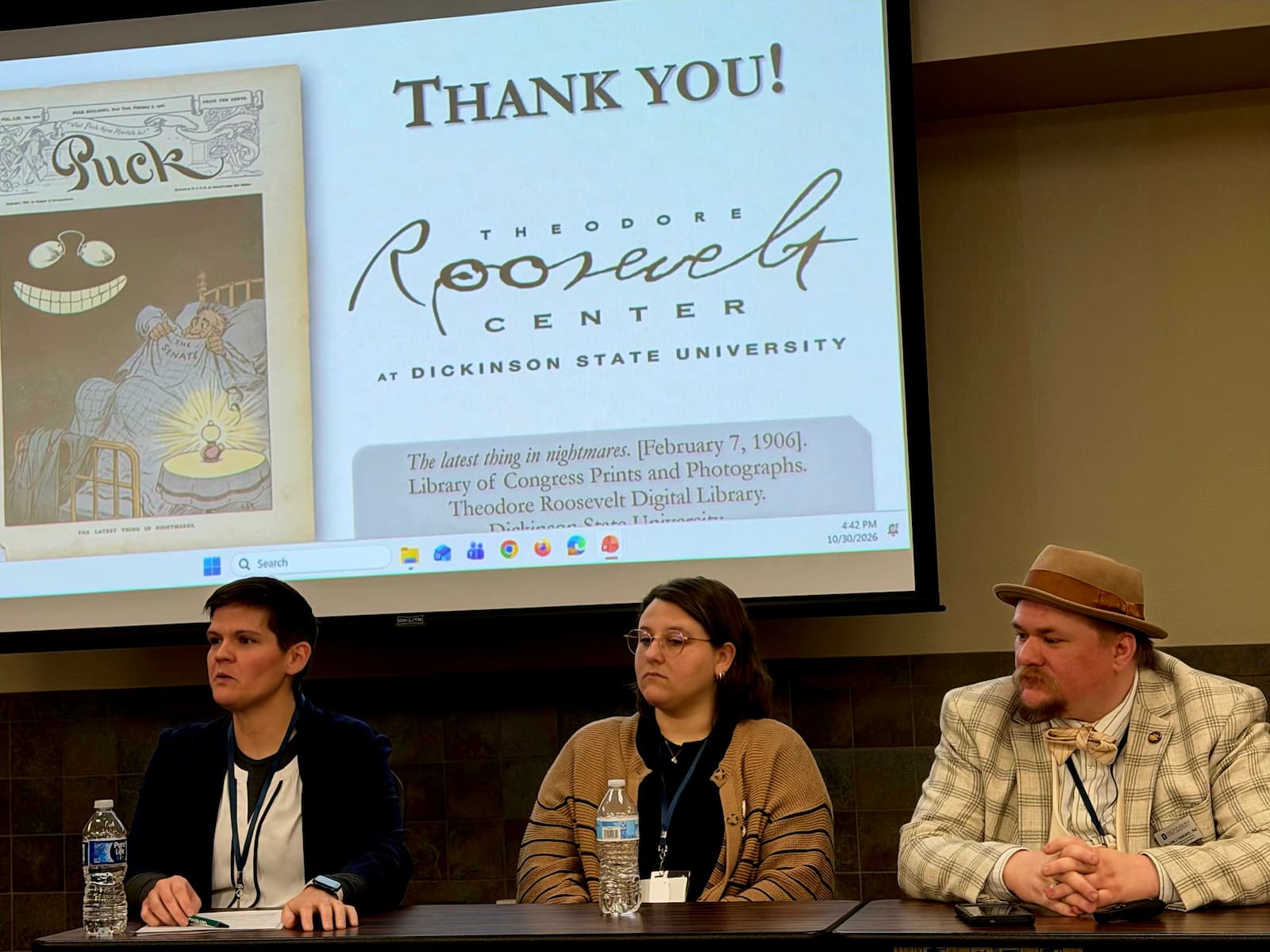
DSU faculty and staff also presented at the conference. Stefanie Aulner, Assistant Professor of History and Sports Production & Broadcasting, joined Theodore Roosevelt Center colleagues, Alexandra Hecht and Erik Johnson, and fellow Assistant Professor of History Dr. William Hansard for a panel titled “Spooks & Spirits Through Spectacles: Search for Sources of the Supernatural.” The panel demonstrated how DSU faculty and staff employ archival research methods to explore such diverse topics as social practices surrounding the supernatural, as well as their connections to Theodore Roosevelt and the origins of spiritualism.
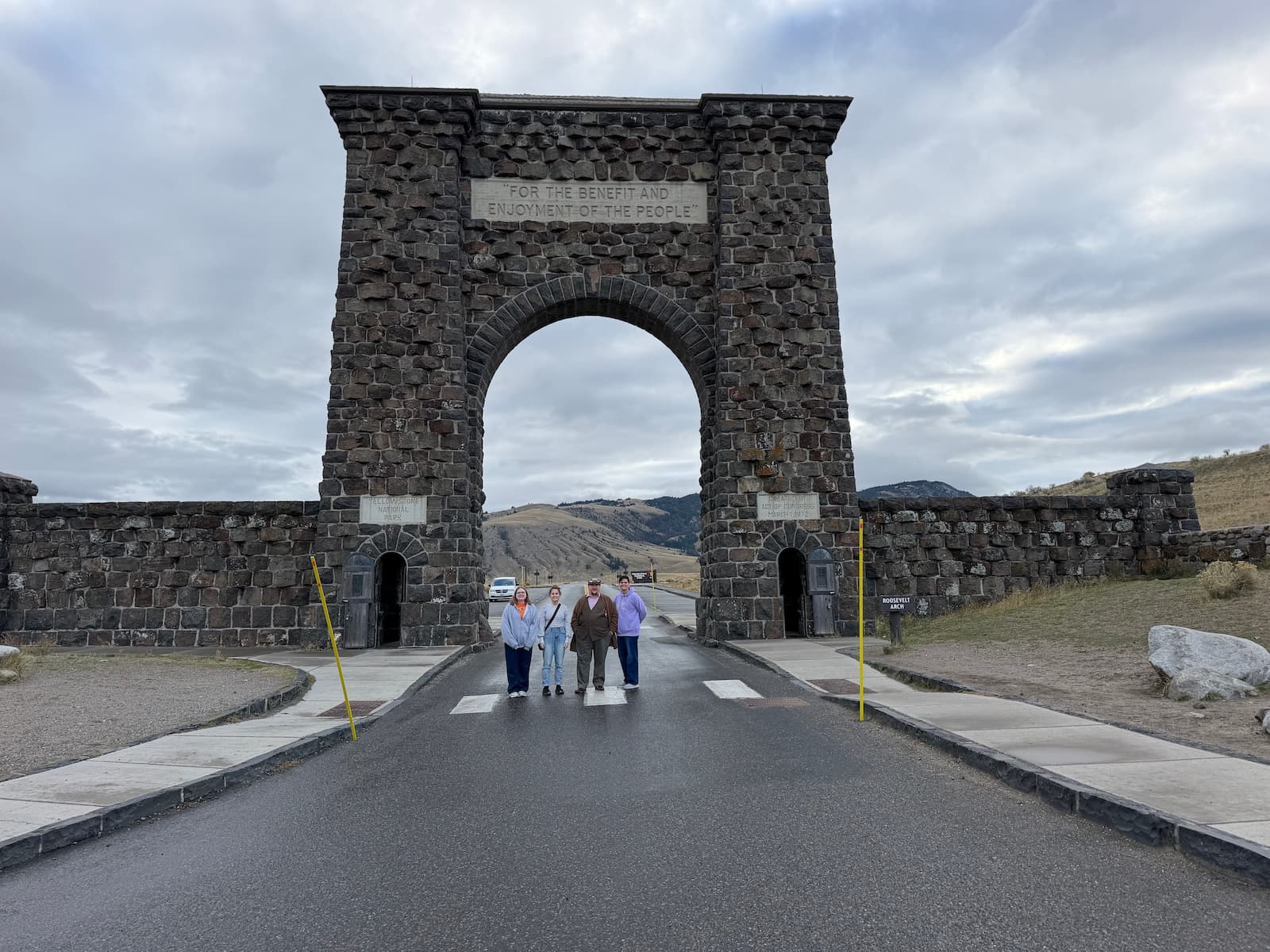
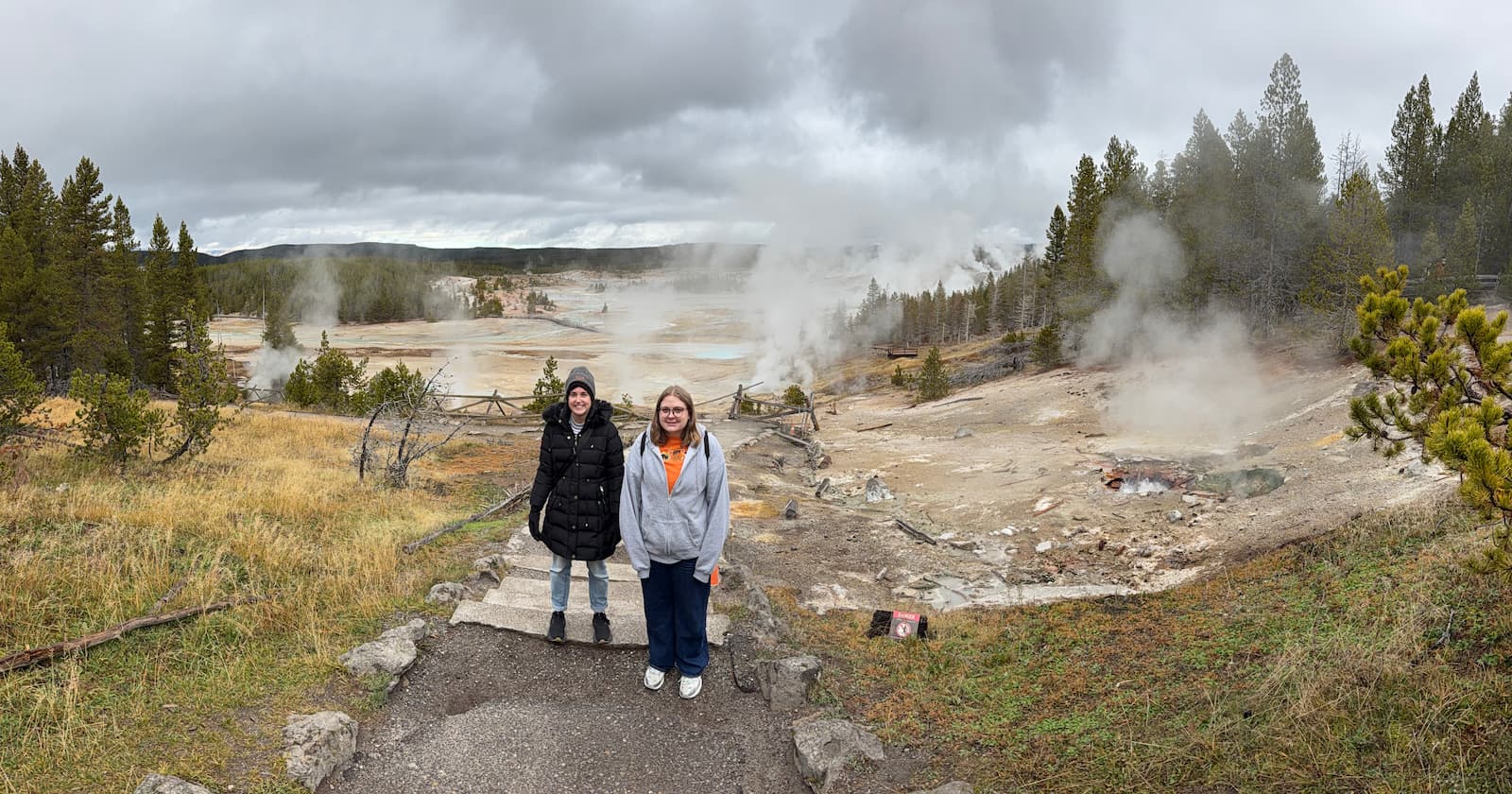
In addition to presenting at the conference, these students were granted a rare opportunity to visit the archival collection spaces at the Museum of the Rockies to learn how staff preserve artifacts and organize museum collections. Their trip included a guided history walking tour through downtown Bozeman and retracing Theodore Roosevelt's footsteps through Yellowstone National Park.
On December 10th from 5:00pm to 7:00pm at the Theodore Roosevelt Center at Dickinson State University in Lowman Walton, Emma Gillig, Grant Kees, and Kylie Zeller will join fellow history senior seminar students Neva Alejandro, Hannah Leischner, and Jaz Somerfeld to present their work to DSU faculty and staff, along with family, friends, and the public at the end of semester history research presentation titled “Night at the Exhibit,” sponsored by the DSU chapter of The National History Honor Society Phi Alpha Theta, Alpha – Lambda – Pi